



business
There’s more than a whiff of politics to the sudden call to slash Labor’s green energy subsidies
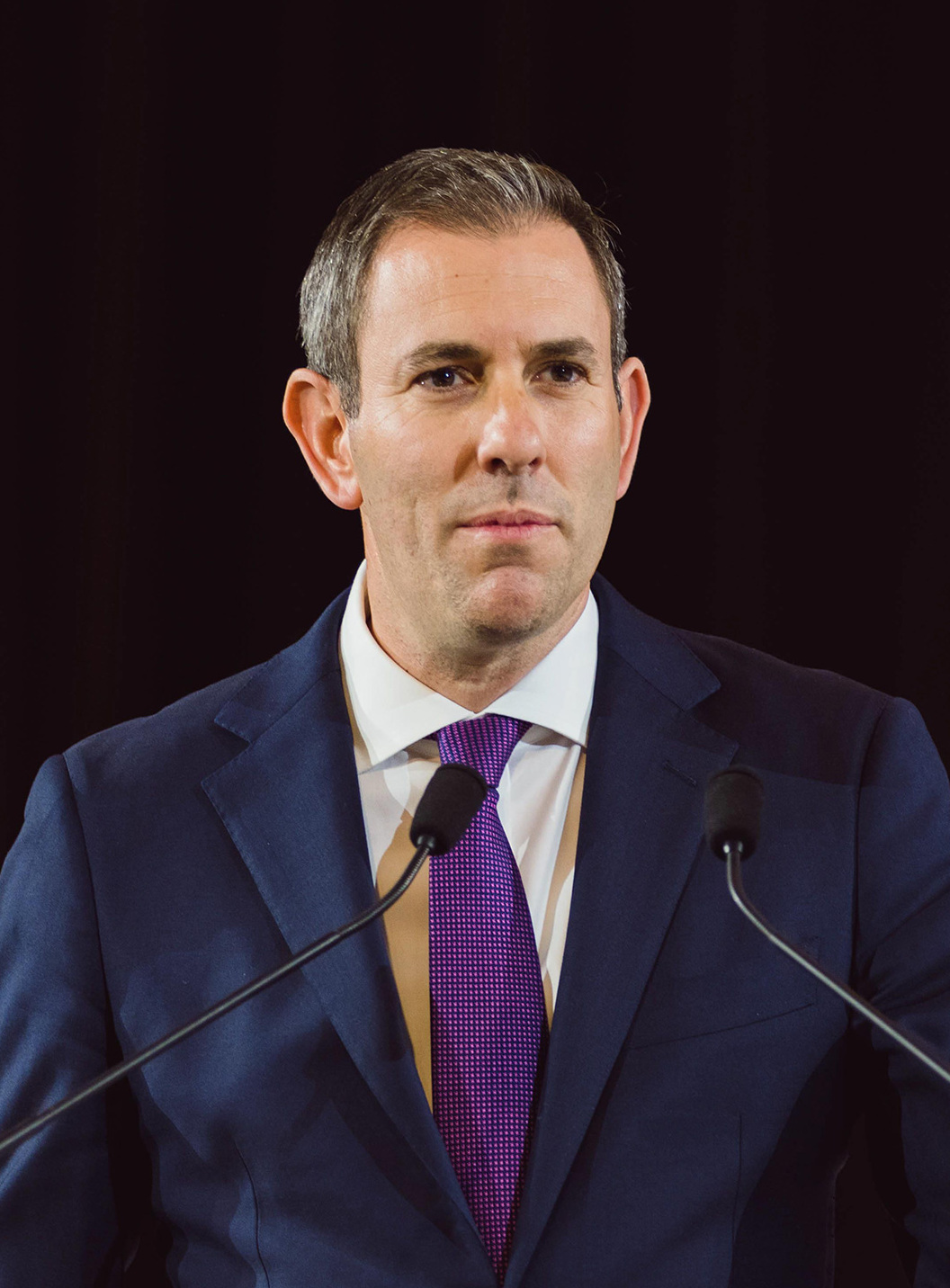
Treasurer Jim Chalmers faces pressure to cut green energy subsidies in the upcoming midyear budget update.
Key points
- Treasurer Jim Chalmers faces pressure to cut green energy subsidies in the upcoming midyear budget update.
- The cheaper home batteries program now faces cost estimates exceeding $7.2bn after initial predictions of $2.3bn proved far too low.
- Opposition leader Angus Taylor has promised to abolish these climate programs as part of a broader $31bn savings plan over four years.
Why it matters. The debate highlights a political choice between cutting popular green subsidies versus addressing larger fiscal pressures like nuclear submarines and the NDIS, which could reshape Australia's energy and climate policy landscape.
Treasurer Jim Chalmers faces pressure to cut green energy subsidies in the upcoming midyear budget update to combat inflation. The cheaper home batteries program, which offers a 30% rebate, now faces cost estimates exceeding $7.2bn after initial predictions of $2.3bn proved far too low. Opposition leader Angus Taylor has promised to abolish these climate programs as part of a broader $31bn savings plan over four years.
Latest updates
There’s more than a whiff of politics to the sudden call to slash Labor’s green energy subsidies
Treasurer Jim Chalmers faces growing pressure to reduce midyear spending to combat inflation, with particular attention directed at green energy subsidies for households. The home batteries program, which began in July of last year, provides a taxpayer-funded 30% rebate that has exceeded initial projections of one million units by 2030 at a $2.3 billion cost. Current estimates suggest the scheme will require more than triple the original budget, even after recent policy adjustments. Additionally, the 2022 electric vehicle lease subsidy, which exempts employees from fringe benefits tax, has proven more costly and popular than anticipated. Critics argue that the urgent push to eliminate these clean energy incentives appears politically motivated, especially when compared to leaving substantial diesel fuel rebates for miners untouched.
Sources
AI-assisted summary of the reporting above. Quotes are kept to one sentence. Copyright concern? See our DMCA takedown page.
Topics
Related stories

How AI is helping Aussie home buyers
How AI is helping Aussie home buyers

Qantas to cut hundreds of jobs
Qantas plans to cut nearly 1,000 jobs after outsourcing deal with Accenture

One in five Australians underpaid super as funds prop up household wealth
Nearly one in five Australians received incorrect superannuation payments as property values fall.